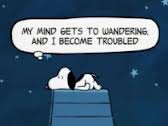
 People with dementia are labeled many things, from wanderers to absconders, to refusing to communicate, to non compliant! It is often written we have inappropriate behaviour. The symptoms of dementia, are regularly written up as the reason for the negative responses our carers have. As a person with dementia, I find this incredibly sad. People with dementia are not in a position to stop the onslaught of the changes happening to them, caused by the disease they have been diagnosed with called dementia, which is also a terminal illness. It is not our symptoms, but the reaction others have to them that is the issue.
In the early stages of dementia, if the person is able to accept their diagnosis, they may be able to find ways to lessen the effect of the changes caused by the symptoms of dementia. But as their disease progresses, most will not. It is not their fault they have dementia. It is not their fault their behaviour changes. It is not their fault they can no longer operate in the same way, or be the parent or lover or child their loved ones and friends once knew, and still want. It is not their fault they forget things like conversations, where they put their keys, or sometimes what the keys are for.
It is imperative we understand the human cost of dementia, and recognise the symptoms of dementia are not the fault of the person with dementia, but are a part of the disease process. Not every person with dementia is easily able to accept their diagnosis, which is not unique to that disease, but might be more common with dementia due to feelings such as stigma and fear. Dementia is the most feared disease for the person over 65 years old, and this may well be why diagnosis is not sought or wanted, and then once a diagnosis is made, it is denied.
It is incredibly difficult ‘coming out’ about a diagnosis of dementia. Then when we do, many either don’t believe us, or they minimise our symptoms. And when the symptoms become too difficult to hide, we are then labeled by the symptoms of the disease, rather than as the people we still are. No-one is a winner in the world of dementia, not the person diagnosed, and definitely not their loved ones. When attending funerals of people who have died of diseases such as cancer (or dementia), I often hear comments from mourners who felt unable to visit the person while they were still alive going through their illness, as it made them too sad.
Thank goodness our wonderful family carers (or BUB’s) aren’t too afraid to think beyond themselves and are willing to be with us, by our side. No-one is perfect, but thankfully they are not so wound up in their own sadness to do the very best they can. I salute you all for doing your best, for still wanting to be with us, and for your love and support, and especially for wanting to do better each and every day. I also salute all the wonderful aged and dementia health care professionals who work with us to lighten our loads; without you it would be one very tough gig!


Very well said. It’s a constant source of amazement to me, when I look at what motivates a person to behave “inappropriately” (usually due to changes taking place in their bodies and minds that they have no control over) how appropriate their behavior really is.
LikeLike
Your response is music to my ears… thank you 🙂
LikeLike
y0lan
Thank you for posting this.
Cheers
Elizabeth
LikeLike
Kate – some types of dementia can start with other symptoms besides memory loss – I did.
I had panic attacks, fear of heights, early menopause, then chronic hunger and thirst, constant need to urinate, neuropathy (pain) …… and as you can tell from the symptoms they’re still “invisible” so others can’t really relate to them either.
I’m sure that many partners can’t handle their spouse getting the diagnosis .. ….. not all of them can cope with it well.
fwiw etc
y0oan
LikeLike
very true words, very brave of you to put out there
LikeLike
Hi Kate,
We have often discussed that the medical profession could find no dementia with my mother, but she was often non-communicative, I refuse to believe this was on her part as she would often tell me that she could hear what I was saying but wasn’t able to respond. That is not a refusal to communicate but a feature of the disease/disorder she was suffering from. I get very angry when the medical profession make assumptions like this. How can anyone know until they have been in that situation themselves. And unfortunately if they have they are not in the position to report it as a medical issue. Please keep raising issues like this so that other people can understand that while the medical profession has come along in leaps and bounds, they don’t yet have all the answers.
Cheers
Elizabeth
LikeLike