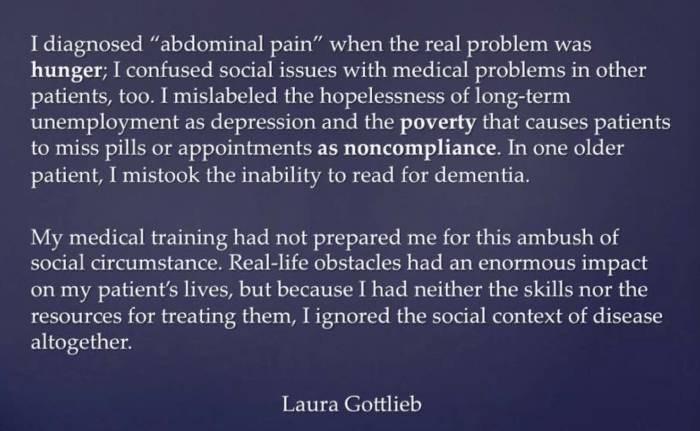
This quote is very pertinent to anyone who has experienced long term chronic illness, particularly those with an illness that is not ‘easy to see’ or ‘easy to diagnose’. A broken leg or hip is obvious, but for so many of us, many of our symptoms are invisible, and the social context is completely ignored. Anyone living well with dementia is automatically assumed to either be lying, or that their doctors are wrong.
Let’s hope the more western medical doctors take notice of the DAI webinar and this quote…


PS quote is very pertinet-thanks💕
LikeLike
Indeed!
LikeLike
so true Kate-and yes a broken leg, and broken arm or tummy bug are very easy to diagnosed, but chronic illnesses such as dementia, and sometimes Cancer are intricate and very complex to diagnose-you have to go through plenty of tests for illnesses in order to get an “official diagnose”. Although a story about my ankle happened to me about 7 years ago which i will share now. So, i was at my old friends 9th birthday party and i hurt my ankle, and the next day i went to hospital and the Doctor told me the heartbreaking news that it was broken-i was like nooooooooooooooooooo!!!! Then, the next day later another Doctor told me it was not broken, just fractured/sprained(i think was his description)and i had a checkup a few days later to see if he was right and he was-yippee!! It took me about two weeks to recover, but it was very minor compared to a broken leg-now it has been 10 years since i last broked a bone and nearly seven years since i sprained something! Hopefully no more injuries or sprains in my life!!
Best
Sam
LikeLike
oops meant pertinent not “pertinet”!
LikeLike
Stay well Sam! No more broken bones xx
LikeLike
Thanks Kate-i really hope so!Broken bones are horrible!I am as good as gold!Will read your new blog post later!Enjoy your trip!
LikeLike
Please keep the blog going and the emails. The issue always is preventing marginalization by family, friends, clinicians, politicians, etc., of persons with dementia, including but not limited to FTD and Alzheimer’s.
Steve Perlis
LikeLike
Thanks Steve… I’ll do my best
LikeLike
My guess is that “diagnosis” is the most difficult part of a doctor’s work. My guess is that some misdiagnosis is based on poor training, some based on not having or taking enough time to look closely, some based on prejudice, and some based on inexperience.
However, when you think of all the variables that present themselves in how many ways, for how many different people, at how many different stages of an illness, in how many combinations and permutations, with how many different ways the symptoms are explained, and how many different ways of measuring the results … it is amazing that most doctors do as well as they do!
Not excusing them but trying to understand. The solution? The patient and their family need to take a more active, involved role in the diagnosis; the doctor needs to take more time and listen more carefully and spend more time in researching the possible diagnoses available to him/her.
LikeLike
What I loved about this quote, was it came from a medical doctor. There are so few who admit to what they don’t know, or were not taught in the context of the whole person. At least my own neurologist, for all is self proclaimed genius, admits easily there is so much he does not know about the brain. I admire that a lot in him.
LikeLike
Here’s another one by a young woman doctor in the US. The parallels between racism and dementia-ism. ageism just leapt out at me: https://www.statnews.com/2017/05/17/bias-undertreatment-pain/
LikeLike
Thanks for reminding me about that article Susan, I think I posted it on social media platforms recently too. Lots of truth in both xxx ps I have been writing a blog for many weeks now about some of the parallels between racism and dementia
LikeLike
I believe that many people fear developing dementia even more than they fear cancer. I think this is where the denial comes into play, and doctors only want to diagnose illnesses that they can treat. They are at a loss when it comes to basically untreatable illnesses like dementia.
LikeLike
Agree Paulan, the research now supports that as well. Dementia was declared the most feared disease for people over 65 in Australia a few years ago, taking over from cancer, as it was in the UK a while ago as well, and I think there it was most feared for anyone over 50. One worry I have had about the DFC’s and other awareness campaigns, as well as the fundraising campaigns, is they use the ‘discourse of suffering and tragedy’ to help them, especially in fundraising, but this has possibly been a huge part of the increased the stigma and fear of the disease.
LikeLike
People fear it because of the ongoing, pervasive and insidious negative narrative which lies at the root of everything else (i.e. poor care, drugging with antipsychotics, etc.). We need to change the very foundation of the narrative. That’s what I’m working so hard to do. #FightTheGoodFight
LikeLike
100% with you on everything you have said AS xxx
LikeLike
FYI Kate, I think this is the origin of this meme: http://www.sfgate.com/opinion/openforum/article/Funding-healthy-society-helps-cure-health-care-3177542.php
I had seen it before and was curious as to where it came from so I did a search.
LikeLike
Thanks Susan, I have also emailed Laura, as wanted to discuss it further with her.
LikeLike
just a reminder also about the blog post about the “upside of dementia,” which you said you want to send to me to be included in the post i’m writing 🙂
LikeLike
Oops… I have zero recollection of that. Not even sure if I have written it, published or even started it?????
When do you need it by? xx
LikeLike
LOL! We had agreed a deadline of June 16, which was yesterday 😛
Thanks for making me feel right at home in forgetting just about everything all the time 🙂
Shall I send you an email with the details? X
LikeLike
yes please!
LikeLike
Just sent 🙂
LikeLike